



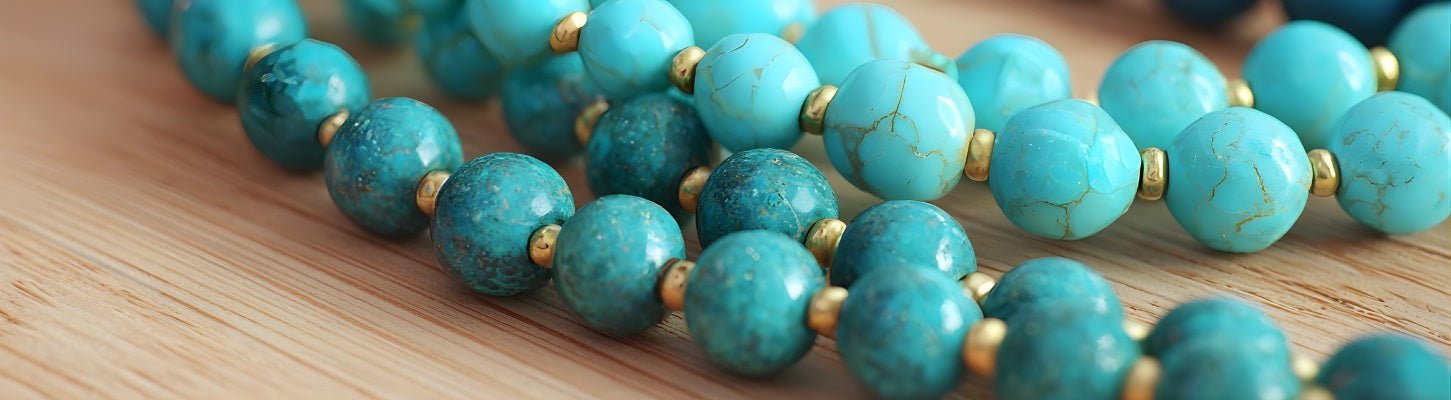
If you have been designing your own jewelry and wondering what spacer beads are and why so many crafters swear by them, the answer is simpler than you might think. Spacer beads are the small, often understated beads placed between larger focal or feature beads in a necklace, bracelet, or other jewelry piece. They might seem like a minor detail, but they do a tremendous amount of work: keeping your design balanced, adding texture, and letting the beads that matter most take center stage. Whether you are just starting out or refining your technique, understanding spacer beads is one of the most practical things you can do to elevate your jewelry making.
Explore Our Categories
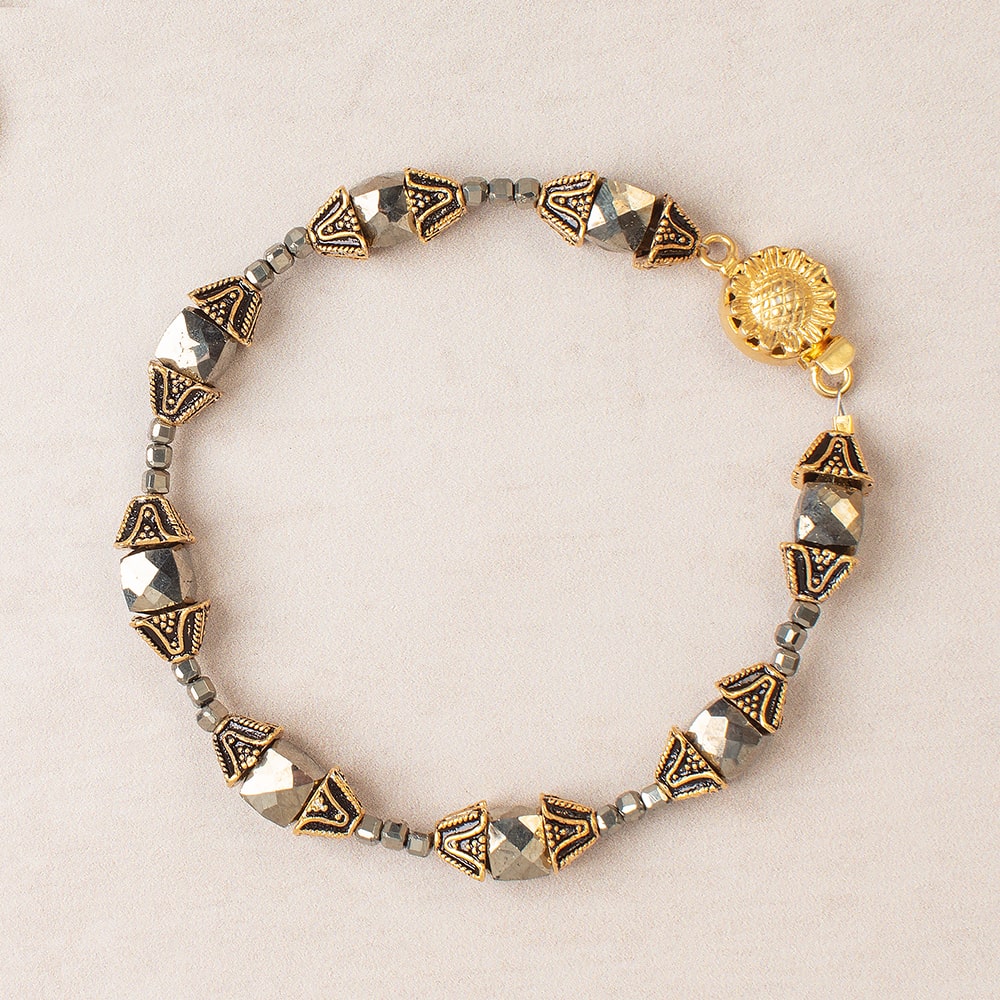


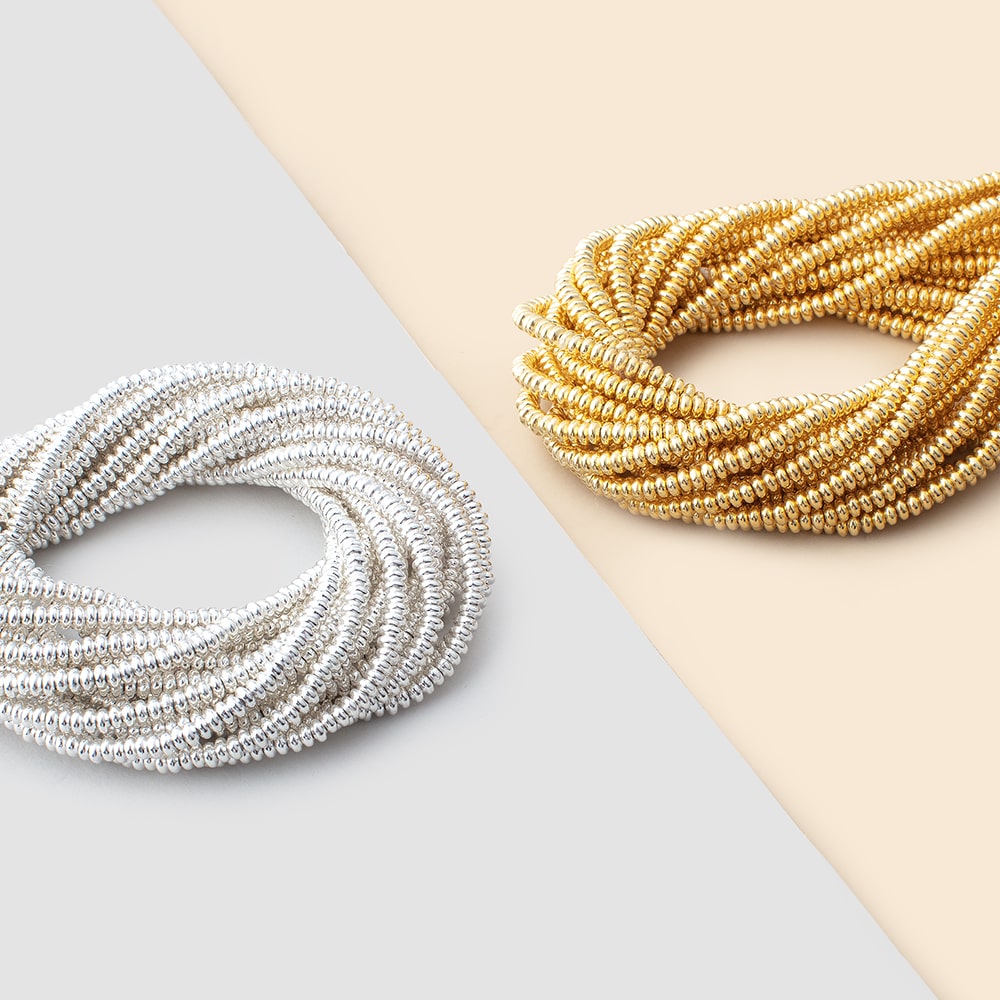

Table of contents
What Are Spacer Beads?
Spacer beads are purpose-made beads designed to sit between focal beads on a strand. They are typically smaller and simpler than the feature beads they frame, and they serve several important functions in any piece of jewelry. A good spacer bead keeps the spacing even along a bracelet or necklace, reduces visual clutter, and helps the eye travel smoothly across the design. Without spacers, a strand of large, bold beads can look heavy or crowded. With spacers, the same strand feels intentional, airy, and well-crafted.
While technically any bead can be used as a spacer, purpose-made spacer beads for jewelry making are designed with consistent sizing and hole diameters to make stringing easier and results more predictable. They come in a wide range of materials, shapes, and finishes, which brings us to the main question most crafters have after the basics: what types should you choose?
Types of Spacer Beads
Understanding the different types of spacer beads helps you pick the right one for every project. Here are the five most commonly used options:
1. Metal Spacer Beads
Metal spacer beads are the most versatile option and one of the most popular in jewelry making. Available in gold-plated, silver-plated, antiqued brass, and rose gold finishes, they work with virtually any color palette. Gold spacer beads add warmth and richness to earth-toned designs, while silver spacer beads provide a clean, modern contrast. Metal spacers come in dozens of shapes, from smooth rounds to textured scrollwork, daisy designs, and corrugated discs. Atlanta Findings carries an extensive range of 22kt gold-plated and sterling silver-plated copper spacers in multiple styles to suit every design.
2. Rondelle Spacer Beads
Rondelle spacer beads are flat, disc-shaped, and often feature faceted edges that catch the light beautifully. They are a go-to choice when you want a little sparkle between larger beads without overpowering the focal pieces. Rondelle spacer beads pair especially well with gemstone or crystal focal beads because the faceted surfaces complement each other. One practical note: rondelle beads often have smaller holes than round beads, so you may need a finer stringing wire or thread when working with them.
3. Daisy Spacer Beads
Daisy spacer beads are flat, flower-shaped spacers that are a classic choice for delicate bracelets and children's jewelry. Their open petal design keeps them lightweight, and they add a charming, handcrafted quality to any strand. They are particularly effective between smaller round or pearl beads, where a more solid spacer would look too heavy.
4. Tube Spacer Beads
Tube spacer beads are elongated, cylindrical spacers that add length and horizontal texture to a design. They are excellent for breaking up rows of round beads and work well in necklaces where you want to create a flowing, rhythmic pattern. Marquise-design and scroll-design tube spacers are especially popular for adding an artisan feel.
5. Disc and Wavy Disc Spacer Beads
Disc spacer beads are flat, round spacers that sit neatly between beads and help maintain even spacing without adding height to the strand. The wavy disc variation adds a subtle three-dimensional quality that catches the light differently at each angle, giving even a simple bracelet a dynamic, handcrafted finish. These are among the most popular spacer types for bracelets due to their low profile and clean look.
With so many types of spacer beads available, the good news is that there is always a perfect match for your project, whether you are building a minimalist gold necklace or a layered gemstone bracelet.
How to Use Spacer Beads
The most effective way to use spacer beads is to plan your design before you begin stringing. Lay your beads out on a bead board or a flat surface in the order you intend to string them. This lets you visualize the finished piece and adjust spacing, color balance, and bead proportions before committing.
For bracelets, a single spacer bead between each focal bead creates a clean, even rhythm. For necklaces, you might group two or three spacers together on either side of a pendant to frame it and draw the eye in. Spacer beads for bracelets are typically 3mm to 4mm when paired with 8mm-10mm focal beads, while spacer beads for a necklace can go up to 5mm or 6mm alongside larger pendants.
When working with rondelle or smaller disc spacers, check your hole sizes. A spacer with a 1mm hole will not thread onto heavy beading wire designed for larger-hole beads. Matching hole diameter to stringing material is a small but important step that prevents frustration at the workbench.
How to Choose the Right Spacer Bead
Choosing the right spacer comes down to four factors: material, finish, size, and hole diameter. For formal or gift jewelry, metal spacer beads in gold or silver are a classic choice that photographs beautifully. For everyday wear, antiqued brass or brushed metal spacers add character that improves with wear. For bohemian or nature-inspired pieces, daisy or floral spacers in a warm gold finish complement organic shapes well.
As a general rule, your spacer bead should be roughly one-third to one-half the diameter of your focal bead. This proportion keeps the focal bead prominent while allowing the spacer to contribute to the overall flow of the design. Atlanta Findings stocks spacer beads across all these styles and sizes, making it easy to find the right finish and shape for any project.
Final Takeaway
Now that you know what spacer beads are, the different types available, and how to incorporate them into your designs, you have everything you need to start building more intentional, beautifully balanced jewelry. The right spacer bead does not just fill space — it completes the design.
Ready to find your perfect spacer beads? Browse Atlanta Findings' full collection of metal spacer beads, daisy spacers, rondelle beads, and more.
Have more questions about spacer beads or finding the right fit for your jewelry design? Give us a call at +1 888-234-1234 or drop us an email at info@atlantabeadcompany.com — our experts are always happy to help. And don't forget to check out our blog for more tips and insights on beads and jewelry making!
Frequently Asked Questions
What Size Should Spacer Beads Be?
For most bracelet and necklace designs, spacer beads between 3mm and 6mm work well alongside focal beads of 8mm to 14mm. The general guideline is that the spacer should be about one-third to one-half the size of the focal bead.
Can Any Bead Be Used as a Spacer Bead?
Yes, technically, any smaller bead can function as a spacer. However, purpose-made spacer beads offer consistent sizing and uniform hole diameters, which makes stringing more predictable and the finished piece more polished.
What Are the Most Popular Metal Spacer Bead Finishes?
Gold-plated, silver-plated, antiqued brass, and rose gold are the most popular finishes. Gold and silver spacers are the most versatile because they complement both warm and cool color palettes.


