



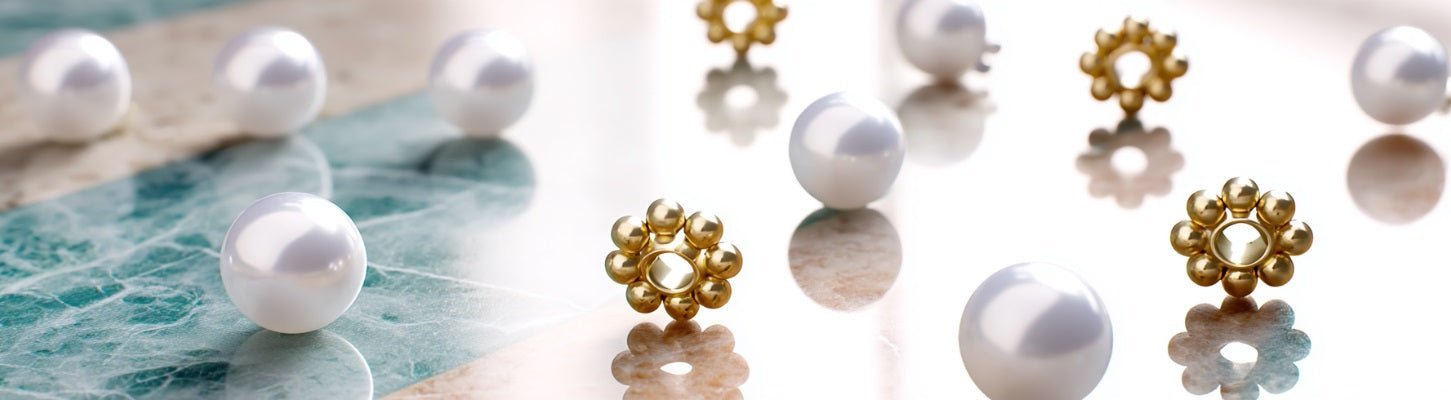
If you have ever wondered what spacer beads are used for, you are not alone. These small but mighty components are one of the most versatile tools in a jewelry maker's kit, serving both a functional and decorative role in bracelets, necklaces, earrings, and beyond. Whether you are building your first beaded bracelet or refining a multi-strand necklace design, understanding spacer beads can elevate your work from basic to beautifully balanced. In this guide, we walk you through everything you need to know: what they are, what they are used for, the different types available, how to choose the right size, and how to incorporate them seamlessly into your next project.
Explore Our Categories
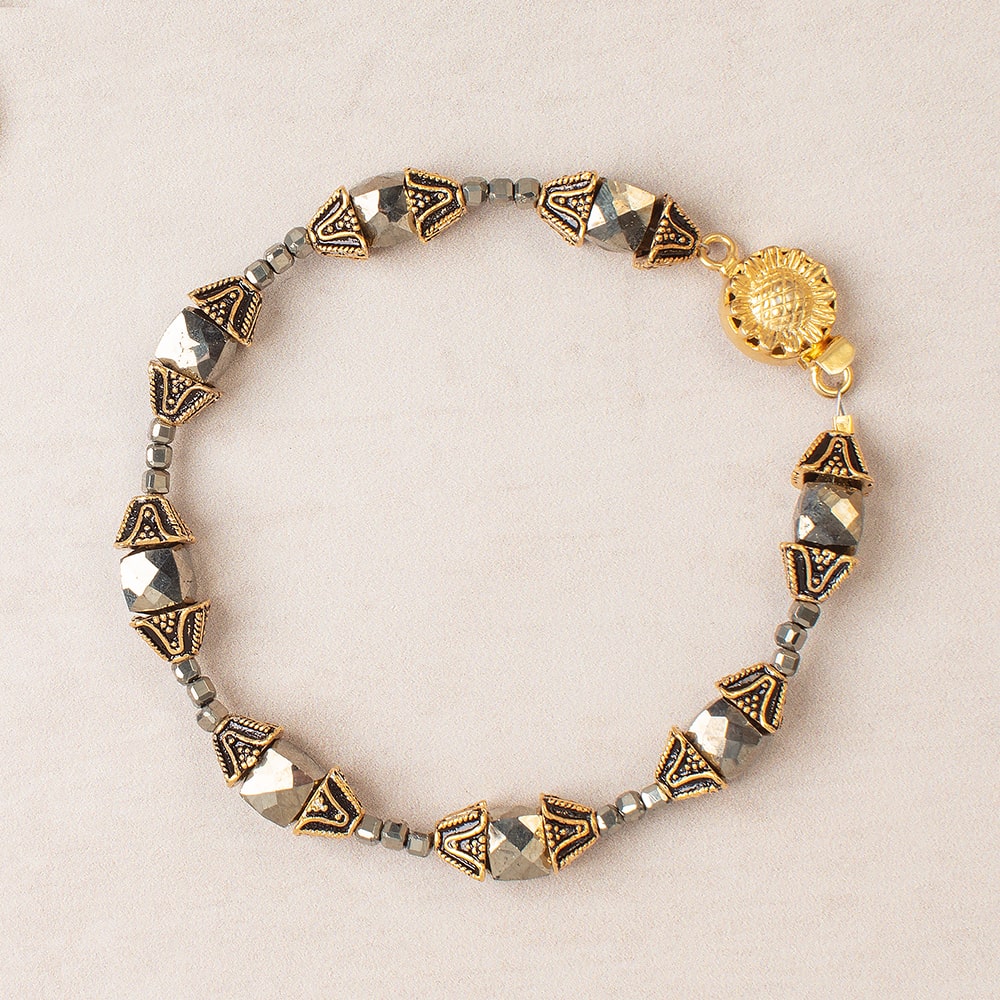


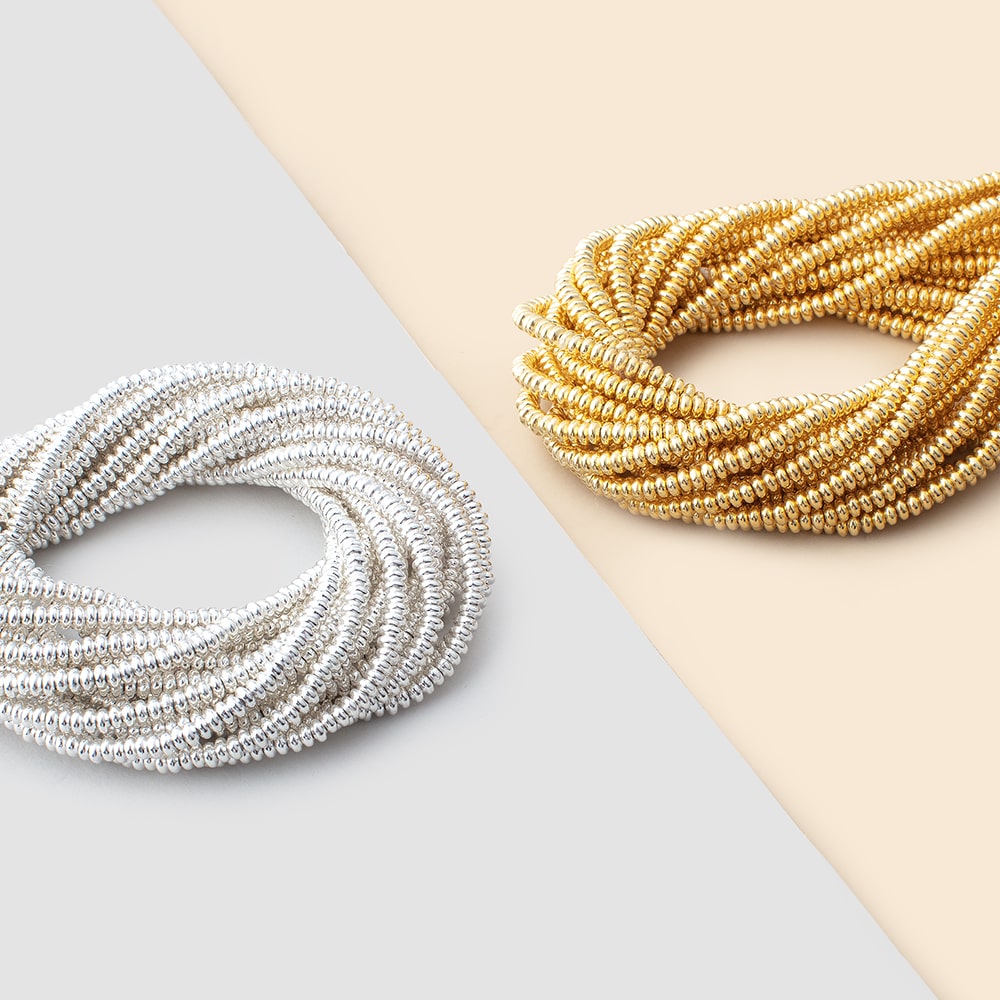

Table of contents
What Are Spacer Beads?
Spacer beads are small beads placed between larger focal beads in a jewelry design. Their primary job is to create breathing room, separating individual beads so each one gets the visual attention it deserves. Beyond that functional role, bead spacers also add texture, rhythm, and dimension to a piece, transforming a simple strand into a polished, professional-looking design.
Spacer beads typically range from 2mm to 8mm in diameter and are available in nearly every material imaginable, including metal, glass, plastic, wood, and stone. While technically any bead can fill a spacer role, purpose-made spacers are specifically designed with the right proportions and hole sizes to work seamlessly alongside focal beads.
What Are Spacer Beads Used For?
The answer goes well beyond simply filling gaps. Spacer beads serve key functions in jewelry-making. Let's dive into their core benefits:
-
Protecting focal beads: Spacers keep larger, more delicate beads from rubbing against each other, preventing chips, scratches, and premature wear.
-
Creating visual balance: Evenly spaced beads produce a rhythm that draws the eye smoothly from one end of a piece to the other.
-
Adding length without bulk: You can extend a bracelet or necklace by adding spacers between focal beads rather than adding more large beads, keeping the design light and wearable.
-
Highlighting focal beads: Smaller, simpler spacers push attention toward the main decorative elements.
-
Providing structural flexibility: Spacers allow bracelets and necklaces to move and drape naturally, which is especially important for pieces worn regularly.
-
Enabling multi-strand designs: Spacer bars hold multiple strands in parallel, allowing complex layered designs to stay neatly organized.
-
Supporting jewelry spacers for bracelets and necklaces: They maintain consistent spacing on stretchy cord, beading wire, or chain, ensuring the finished piece looks intentional rather than random.
Types of Spacer Beads
Selecting the right spacer bead involves exploring the various options available. Here are the most popular types and when to use each one:
Rondelle Spacer Beads: Disc-shaped and often faceted, rondelle spacer beads catch the light beautifully. They work especially well in necklaces and bracelets where you want a polished, structured appearance. Faceted metal rondelles pair naturally with crystal or gemstone focal beads.
Daisy Spacer Beads: Shaped like tiny flowers, daisy spacer beads add charm and a handcrafted feel. They are a popular choice in bohemian, vintage, and layered bracelet designs, particularly when paired with colorful stones or seed beads.
Metal Spacer Beads: One of the most widely used categories, metal spacer beads are available in brass, sterling silver, gold-filled, and stainless steel. Their smooth or textured surfaces complement virtually every bead material and design style.
Rice Spacer Beads: Slightly elongated and subtle, rice beads are ideal when you want minimal texture without drawing attention away from the focal bead.
Large Hole Spacer Beads: Designed to fit over thicker leather cords, suede, or memory wire, these are a go-to for casual, statement-style pieces.
Heishi Beads: Flat disc spacers with a long history in jewelry-making traditions. Their slim profile and adaptability make spacer beads among the most flexible choices in jewelry making.
How to Choose the Right Spacer Bead Size
Determining the correct size of spacer beads is a crucial step in ensuring your jewelry design flows smoothly:
-
General rule: Your spacer should be no larger than one-third the diameter of your focal bead. This keeps the proportion visually balanced.
-
For bracelets: Spacers between 2mm and 4mm work best, maintaining enough flexibility for comfortable wear.
-
For necklaces: Spacer beads for necklace designs typically range from 3mm to 6mm, depending on the weight of the focal beads.
-
Hole size matters: Always verify that the spacer's hole diameter is compatible with your stringing wire, elastic cord, or chain before purchasing.
A Quick Guide to Spacer Bead Materials
The choice of material for spacer beads influences both the aesthetic and long-term strength of your jewelry piece:
-
Brass: Affordable and warm-toned. Excellent for artisan and handcrafted-style pieces.
-
Sterling Silver: A classic choice for fine jewelry. With proper maintenance, metal spacer beads resist tarnish and retain their shine.
-
Gold-filled beads offer a richer tone and greater durability than gold-plated alternatives.
-
Stainless Steel: The most tarnish-resistant option. Ideal for everyday-wear designs that need to stand up to moisture and daily use.
How to Use Spacer Beads: Step by Step
-
Plan your layout: Organize your beads by placing them in the desired order on a bead mat to plan your layout. This lets you test combinations and adjust spacing before committing.
-
Set your rhythm: Place one spacer every two to three focal beads for a balanced look that is neither too busy nor too sparse.
-
Check the hole size: Thread your stringing material through the spacer to confirm a proper fit before you start stringing.
-
String in sequence: Work through your planned pattern, alternating focal beads and spacers.
-
Secure the design: Use crimp beads, knots, or end caps to hold everything firmly in place.
Find the Right Spacer Beads for Your Next Design
Spacer beads may seem small, but they make a huge impact on the overall aesthetic and durability of your handmade jewelry. Choosing the right type, size, and material of spacer beads is vital to crafting a polished and well-balanced final design. Explore Atlanta Findings Company's full collection of spacer beads, rondelle beads, and jewelry findings to find exactly what your next project needs.
Have more questions about spacer beads or need help finding the right fit for your design? Give us a call at +1 888-234-1234 or drop us an email at info@atlantabeadcompany.com — our experts are always happy to help. Visit our blog for more useful tips and advice on jewelry-making techniques!
Frequently Asked Questions
What Are Spacer Beads Used for?
Spacer beads are used to separate focal beads in jewelry designs, protect them from rubbing together, add visual balance, and create a more polished look in bracelets, necklaces, and earrings.
Can Any Bead Be Used as a Spacer Bead?
Yes, technically, any bead can serve as a spacer. However, purpose-made spacer beads are specifically proportioned and finished to produce the most consistent, professional results.
How Many Spacer Beads Do I Need Per Piece?
A reliable starting point is one spacer per two to three focal beads. Adjust the number of spacer beads used depending on the desired visual effect of your piece.
What is the Difference Between Spacer Beads and Regular Beads
Regular beads are the focal elements of a design. Spacer beads are specifically intended to sit between them, typically smaller and simpler in style, so they support rather than compete with the focal beads.


