



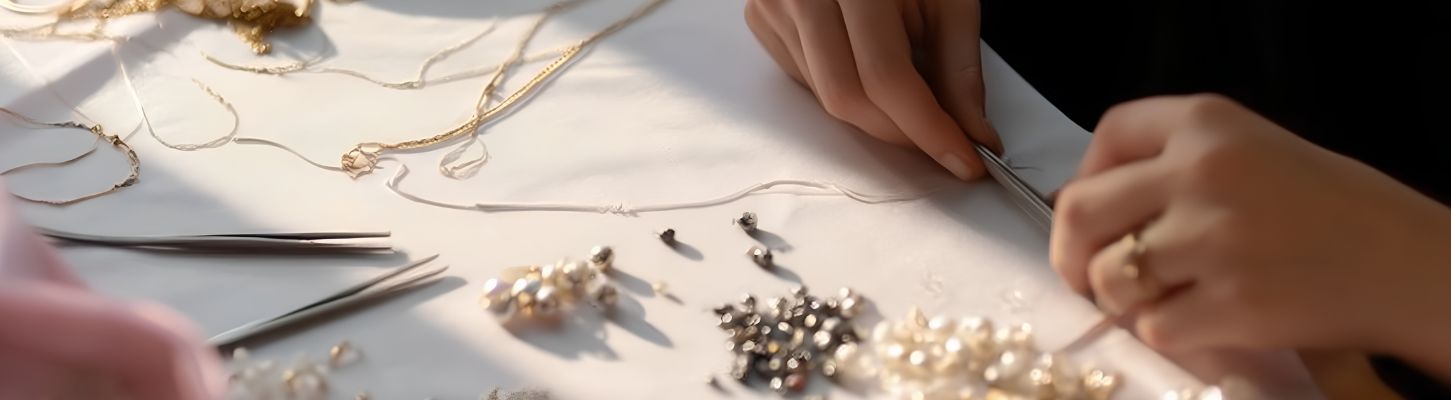
If you've been crafting jewelry as a hobby and now want to earn a living from it, here's how to start a jewelry business in ten clear moves: pick a niche, study your buyers, source quality materials and findings, set up a small workspace, design your pieces, build a brand, price for profit, choose where to sell, handle the legal basics, then market and grow. Do these in order, and you can launch from home, online, or both, often for just a few hundred dollars to start.
Quick-start checklist:
Choose your niche and jewelry business idea
Know your audience and competition
Source your materials and findings
Set up your workspace and tools
Design and make your pieces
Build your brand
Price your jewelry for profit
Sell online and in person
Cover the legal and money basics
Market, launch, and grow
Crafting jewelry started as a hobby for you, but at some point, the idea of earning a living from it took hold, and now you're ready to act on it. Good news: starting a jewelry business is more doable today than ever, and you do not need a storefront or a big budget to begin. At Atlanta Findings Company, we supply the clasps, beads, and findings that independent makers across the U.S. build their lines around, so we see what helps small brands succeed every day.
In this guide, we will walk you through every step, from choosing your niche and sourcing your materials to setting up your workspace, branding your shop, pricing your pieces, selling online, and growing your customer base. We will also cover what it costs to begin and answer the questions new makers ask us most. Let's dive deeper into the details.
Explore Our Categories


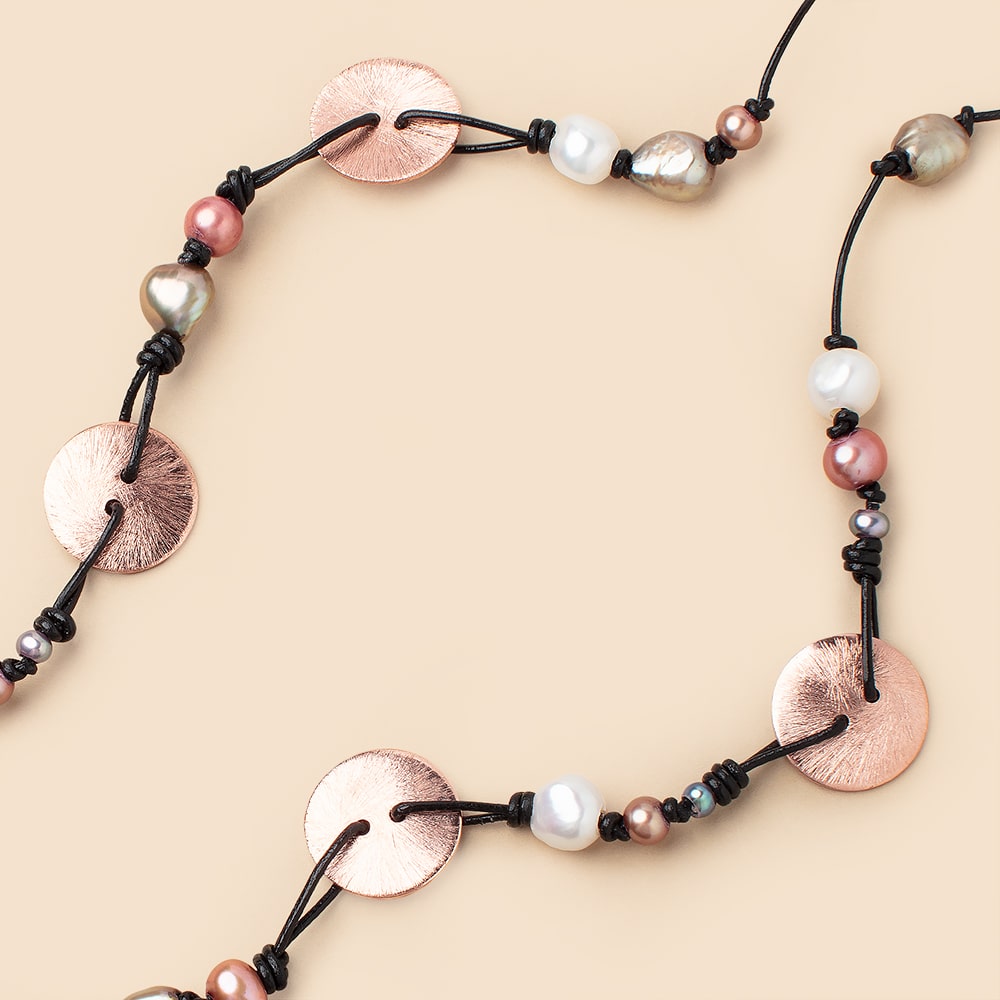

Table of contents
Why Start A Jewelry Business Now
The jewelry market keeps growing, and handmade and personalized pieces are a big reason why. Today's buyers gravitate toward pieces that carry a personal story and are handcrafted in limited runs by an actual maker. That demand is exactly where a small maker can win.
You also have an edge that large brands do not: flexibility. You can test a design this week, listen to customer feedback, and adjust the next. You can start tiny, sell a few pieces to friends, and scale only when you are ready. Starting a jewelry business no longer means renting a studio or maintaining a large inventory. Honestly, all it takes to get going is a work surface, a dependable supplier, and a plan you can follow.
Step 1: Choose your niche and jewelry business idea
The makers who stand out are the ones who pick a lane. Trying to sell every style to everyone spreads you thin. When your focus is narrow, your brand sticks in people's minds and is far simpler to market.
Begin by jotting down the pieces you genuinely enjoy creating and the techniques you've gotten good at. From there, hunt for an unmet need in the market that you're positioned to serve. Here are a few small jewelry business ideas to spark direction:
Minimalist everyday pieces in gold-plated or sterling finishes
Bold statement earrings and layered necklaces
Beaded bracelets and stackable sets
Custom and personalized pieces, like initials or birthstones
Vintage-inspired or filigree designs
Men's jewelry, a segment many makers overlook
Your niche can also be a material or technique. Maybe you specialize in copper, in wire-wrapped stones, or in mixed-metal designs. The point is to give shoppers a clear reason to choose you. A focused jewelry-making business is far easier to grow than a general one.
Step 2: Know your audience and competition
Once you know what you sell, get clear on who you sell to. The better you understand your buyer, the smarter every later decision becomes, from pricing to packaging to where you advertise.
Try to pin down a few things about your ideal customer:
Their age range and life stage
Their interests and style
What they can comfortably spend
Where they shop online, such as Instagram, TikTok, Pinterest, or Etsy
Next, look at your competition. Search your niche on Google, Etsy, and Instagram, and note who shows up. Study their pricing, their photos, their packaging, and how they describe their work. You are not copying them. You are finding the spaces they leave open so you can position your brand differently and more effectively.
Step 3: Source your materials and findings
This is the step that quietly makes or breaks a young jewelry brand, and it is where we spend most of our days. The quality of your materials shows in every finished piece, and the right findings make your work easier to assemble and more durable for your customers.
Wondering what the findings are? They're the working hardware, like clasps, jump rings, and ear wires, that keep a piece assembled.
Clasps such as lobster, magnetic, box, and toggle styles
Jump rings for connecting components
Spacer beads, disc beads, and bead caps for design and structure
When you choose suppliers, look for consistency, clear sizing, and finishes that hold up to daily wear. Buying findings and beads in sets or small bulk quantities keeps your per-piece cost down and means you are not stuck waiting on materials when orders come in. As you grow, a steady supplier relationship becomes one of your most valuable assets. We built our wholesale program for exactly this reason: to give growing makers reliable pricing on the components they reorder most.
A quick tip: pick a core finish, like gold-plated or silver-plated, and build your first collection around it. Cohesive materials make your line look intentional and professional from day one.
Step 4: Set up your workspace and tools
A dedicated studio isn't a requirement when you're just starting out. A clean, well-lit table and a little organization go a long way. Most makers start with a simple toolkit:
Chain-nose and round-nose pliers
Wire cutters
A bead mat to keep small parts from rolling away
Storage containers or a labeled organizer for findings and beads
Good lighting, ideally near natural light, for accurate color
Keep your most-used findings within reach and store the rest by type and size. Every minute you're not digging around for a 6mm jump ring is a minute you get back for actual creating. As order volume grows, you can add tools and storage, but a modest setup is all you need to make your first sales.
Step 5: Design and make your pieces
Now for the fun part. Kick things off by sketching concepts or arranging beads and components to see what clicks. Build a small, focused first collection rather than dozens of one-off pieces. A tight collection is easier to photograph, price, and restock.
Hold on to a handful of guiding principles whenever you sit down to design.
Aim for cohesion, so pieces look like they belong together
Make sure every piece is comfortable and secure to wear
Choose findings that match the weight and style of the piece, like sturdier clasps for heavier necklaces
Save your "recipes," meaning the exact components and counts, so you can reliably remake bestsellers
As you settle on winners, note what each piece costs to make. You will need those numbers for pricing in Step 7.
Step 6: Build your brand
Your brand is what makes a shopper remember you and choose you again. It is more than a logo. It's your name, your aesthetic, your voice, and the emotion your pieces stir in the people who wear them.
Start with the basics:
A simple, memorable business name
A clean logo you can use on your site, packaging, and social media
A consistent color palette and photo style
A brief origin story that explains who you are and what drives you to make what you make.
That story matters. Shoppers love buying from a real maker. Share how you got started, what inspires your designs, and what makes your process yours. Considered packaging, even a simple branded card slipped into every order, deepens that impression and brings customers back.
Step 7: Price your jewelry for profit
Pricing trips up many new makers, so take your time here. Underpricing ranks among the top reasons small jewelry brands fail to gain traction.
A simple starting framework looks like this:
Materials: the cost of beads, findings, and other components in the piece
Labor: your time, paid at a fair hourly rate
Overhead: a share of costs like packaging, tools, fees, and shipping supplies
Profit margin: a markup on top, so the business actually earns
Many makers add up materials, labor, and overhead, then multiply to set a wholesale price, and roughly double that for retail. Tailor it to your niche and your customers, and never hesitate to price your work at its true value. The right customers will pay for quality and craftsmanship; your job is to market to them, not to compete on being the cheapest.
Step 8: Sell online and in person
You have options, and most successful makers use more than one channel. Here's how to run your jewelry business across both online and offline channels at once.
Online channels:
A site you own, built on something like Shopify, hands you complete command over your brand and your customer data.
Etsy offers built-in traffic and is friendly to handmade sellers just starting out.
Instagram and TikTok shops let buyers purchase straight from your content
Pinterest drives steady discovery for jewelry, since it is so visual
In-person channels:
Craft fairs, markets, and pop-ups, which let customers see and try pieces
Local boutiques that stock pieces on wholesale or consignment
If you want a jewelry home-based business, you can run all of this from your kitchen table. Selling jewelry from home keeps overhead low while you find your footing. Master a single online channel first, then layer on additional ones as you scale.
Step 9: Cover the legal and money basics
This part is not glamorous, but handling it early saves you headaches later. Requirements vary by state and city, so confirm the specifics for your location.
In general, plan to:
You'll want to make things official by registering, and that means deciding how the business is organized. Running it as a sole proprietor and forming an LLC are two routes worth weighing.
Secure whatever local business license or permit your area requires.
Apply for a sales tax permit if your state collects sales tax.
Set up a dedicated bank account so your business and personal funds never blend together.
Log your income and expenses starting on day one, using basic accounting software or even a spreadsheet.
The U.S. Small Business Administration is a reliable, free resource for registration steps, licenses, and basic business planning.
Step 10: Market, launch, and grow
With everything in place, it is time to get your pieces in front of people. A massive following isn't what you need to begin; consistency and a clear message are.
A few reliable ways to market a new jewelry brand:
Show your process. Behind-the-scenes content of you making pieces builds trust and connection.
Rather than spreading yourself thin, figure out where your potential customers already spend their time, then commit to posting there steadily.
Collect and share reviews. Social proof from happy customers is powerful, and shoppers trust it.
Grow an email list so you can reach buyers directly rather than relying on an algorithm's whims.
Encourage repeat orders with great service, a thank-you note, and the occasional new release.
As sales grow, you can expand your collection, add wholesale, or bring in help. Scale at a rate that lets you hold your quality steady. Steady, sustainable growth beats a rushed expansion that strains your time and your standards.
How much does it cost to start a jewelry business?
Many makers start small, often in the range of a few hundred dollars. Your early costs typically include:
Materials and findings: your beads, clasps, and components
Basic tools: pliers, cutters, and storage
Branding and packaging: logo, cards, boxes, or pouches
Selling fees: an Etsy shop or a website subscription
Business registration: state and local fees, which vary
Buying findings in sets or small bulk quantities is one of the easiest ways to keep startup costs down while keeping quality high. You can begin lean, reinvest your early profits, and scale your inventory as demand grows.
Ready to build your first collection?
Starting a jewelry business is a journey, and the right materials make every step easier. Browse our findings collections to source the clasps, beads, and components your designs need to shine.
Final Thoughts
Starting a jewelry business doesn't require a studio, a warehouse, or a big budget. It takes a clear niche, quality materials, and the willingness to start small and learn as you go. Each of the ten steps builds on the last: once you know who you're making for and what makes your work different, sourcing, pricing, and selling all become easier decisions.
In our years of supplying makers across the U.S., we've seen that the ones who succeed aren't the ones who do everything at once. They're the ones who launch a focused first collection, listen to their customers, and reinvest as they grow. You can sell a handful of pieces from your kitchen table this month and build something real from there.
The hardest part is simply beginning, so pick your niche, gather your materials, and make your first piece. We're here to supply the findings when you're ready.
Have questions? Reach our specialists at info@Atlantabeadcompany.com or by phone at +1 888-234-1234, and browse our blog for more detailed information about findings.
Frequently asked questions
Do I Need a License to Sell Handmade Jewelry?
In most places, yes, you will need to register your business and may need a local license and a sales tax permit. Rules differ from one state and city to the next, so look up your local regulations or check the SBA's resources.
Can I Start a Jewelry Business From Home?
Absolutely. Many successful brands run entirely from home. A small workspace, quality materials, and an online shop are enough to begin selling jewelry from home.
How Do I Start a Jewelry Business Online With No Experience?
Begin with a focused niche, learn a few core techniques, source reliable findings, and open one sales channel like Etsy or a Shopify store. Start modestly, pick things up as you go, and expand once you see what's selling.
What Materials Do I Need First?
Start with the findings and beads your chosen designs require, plus basic tools. Building your first collection around one finish keeps both your costs and your look consistent.
How Much Can I Earn?
Three things shape the answer: how you price each piece, how many you move, and where those sales happen. Pricing your pieces correctly from the start, so every sale covers materials, labor, overhead, and profit, is what makes the business sustainable over time.


