



If you have ever wondered how long gold-plated jewelry lasts before it fades or starts to tarnish, you are not alone. It is one of the most common questions among jewelry makers, designers, and everyday wearers. The short answer: Typically, gold-plated items maintain their finish for about one to three years with standard use. The longer answer depends on plating thickness, base metal quality, daily habits, and how well you care for each piece. This guide breaks down every factor so you can get the most out of your gold-plated jewelry and the findings you use to create it.
Explore Our Categories



Table of contents
What Is Gold-Plated Jewelry?
Gold-plated pieces are created by applying a fine layer of genuine gold over metals such as copper, brass, or stainless steel through an electroplating process. The outer surface looks identical to solid gold, but because the gold layer is only a few microns thick, it will eventually wear down with friction and exposure.
According to the Federal Trade Commission's consumer jewelry guide, gold electroplate must have a gold layer at least 0.175 microns thick, while standard gold plating typically ranges between 0.5 and 2.5 microns. Items labeled "gold-filled" must have a gold layer that represents at least 1/20th of the total metal weight, making it significantly more durable than standard plating. Gold vermeil refers to sterling silver pieces finished with a minimum of 2.5 microns of 10-karat or higher gold plating.
At Atlanta Findings Company, our gold-plated beads and findings are crafted with attention to plating quality because the durability of the components directly affects the longevity of the finished piece.
Factors Influencing the Longevity of Gold-Plated Jewelry
The duration a gold-plated piece remains vibrant can vary widely. Several variables determine whether your piece stays vibrant for six months or holds its beauty for several years.
1. Thickness of the Gold Layer
This is the single biggest factor. Thicker layers of gold generally result in longer-lasting plating.
|
Plating Thickness |
Typical Lifespan |
Common Usage |
|
Under 0.5 microns ("gold flash") |
3 to 6 months |
Fashion and costume jewelry |
|
0.5 to 1 micron (standard plate) |
6 to 12 months |
Everyday affordable jewelry |
|
1 to 2.5 microns (heavy plate) |
1 to 3 years |
Quality fashion jewelry |
|
2.5+ microns (vermeil level) |
2 to 5 years |
Gold vermeil, premium findings |
|
Gold filled (bonded layer) |
10 to 30 years |
Heirloom-quality pieces |
2. The Base Metal
The base metal affects both durability and how the piece reacts to moisture and skin chemistry. Stainless steel and sterling silver bases resist corrosion better than copper or brass, which means the plating holds up longer before the base metal bleeds through.
Our 22kt gold-plated copper beads and brass-based findings are ideal for crafted pieces that are worn occasionally rather than every single day, helping to maximize their visual life.
3. Frequency and Type of Wear
Pieces with high friction exposure wear down faster. Rings and bracelets rub constantly against skin and surfaces, so they tend to fade within months. Necklaces and earrings see less friction and last considerably longer. A gold-plated earwire used in a finished earring, for example, typically outlasts a plated ring band by a wide margin.
4. Exposure to Moisture and Chemicals
Water, sweat, chlorine, perfume, lotion, and household cleaners are among the fastest ways to wear down plating. Even brief daily exposure to soap and water shortens the life of the gold layer over time.
5. Storage Conditions
Leaving gold-plated pieces loose in a jewelry drawer causes scratches and oxidation. To protect your pieces from scratches and wear, store them individually in soft pouches or a jewelry box with separate compartments.
Will Gold-Plated Jewelry Tarnish Over Time?
Eventually, gold-plated jewelry will show signs of tarnishing. Tarnishing happens when the gold layer wears thin enough to expose the base metal beneath it, which then reacts with air and moisture. The pace of tarnishing depends on plating thickness and how the piece is cared for.
Since pure gold is naturally resistant to corrosion, any tarnish or color change usually comes from the base metal beneath. What you see darkening or turning greenish is the base metal below. This is why plating thickness and a corrosion-resistant base metal matter so much when choosing components for jewelry making.
Signs Your Gold Plating Is Wearing Off
Catching wear early gives you the option to have a piece replated before the look deteriorates further. Watch for these indicators:
Dull or cloudy finish. The reflective shine starts to look flat even after cleaning.
Color shift. The piece begins to look brassy, coppery, or greenish in high-contact areas.
Dark spots. Patches of the base metal show through, especially on edges and high-friction points like ring shanks and lobster clasp mechanisms.
Skin discoloration. A greenish or darkened mark on your skin where the jewelry rests is a sign that the base metal is exposed.
Tips for Maintaining Gold-Plated Jewelry
Consistent and proper care can significantly extend the life of your gold-plated pieces.
Keep it dry. Keep jewelry dry—take it off before bathing, swimming, dishwashing, or exercising. Even clean water accelerates plating wear over time.
Put on jewelry last. To protect your gold-plated pieces, put on perfumes, lotions, and hair products first, allowing them to dry before wearing the jewelry. Let products fully absorb or dry before the jewelry contacts your skin.
Clean gently. Clean your jewelry by gently wiping it with a soft cloth; for deeper cleaning, moisten the cloth slightly with mild soap and water. Avoid abrasive cloths, polishing compounds, or ultrasonic cleaners, which strip plating quickly.
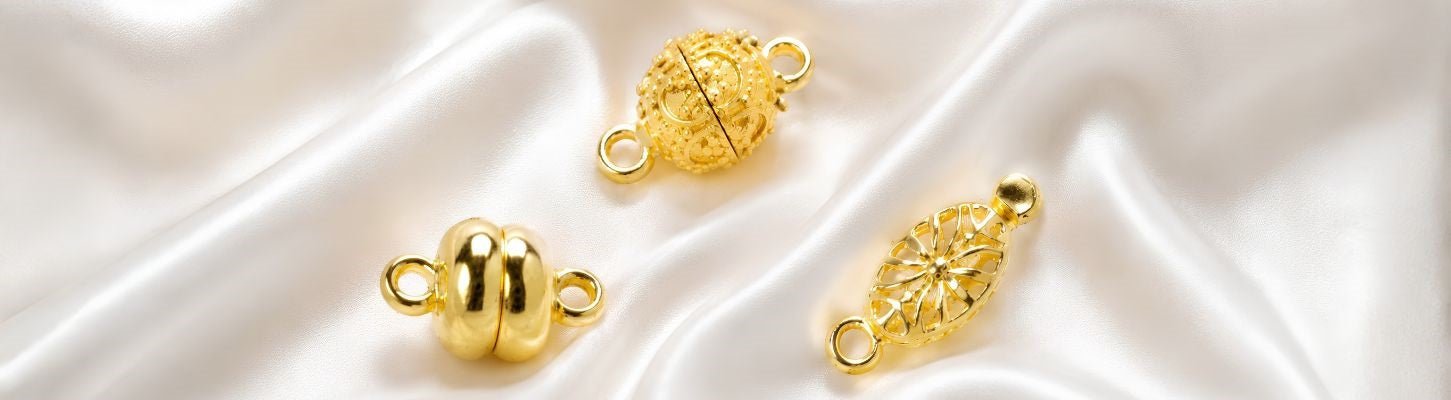
Store separately. Separate each piece during storage to prevent scratches. Metal-on-metal contact scratches the plating faster than almost anything else. Our toggle clasps and magnetic clasps are best stored in individual pouches to preserve their finish between uses.
Take off before bed. Friction against bedding and pillows during sleep is a surprisingly significant source of plating wear over months of regular use.
Can Gold Plated Jewelry Be Replated?
Yes. Replating is a straightforward process offered by most jewelry repair studios. A jeweler strips any remaining plating, prepares the surface, and electroplates a fresh gold layer. Small pieces like pendants and earrings are relatively inexpensive to replate, while larger or more complex pieces cost more, depending on the thickness of the new gold layer requested.
Replating is not permanent, and the same care habits that protect new plating apply just as much to replated pieces. For components like headpins and earwires that see heavy use in finished jewelry, sourcing quality plated findings from the start reduces how often replating becomes necessary.
Comparing Gold-Plated, Gold-Filled, and Gold Vermeil
Understanding these terms helps you make smarter material choices, especially when sourcing components for handmade jewelry.
Gold-plated refers to a thin gold coating over a base metal. It is the most affordable option with a lifespan of months to a few years, depending on care and plating thickness.
Gold vermeil is gold plating over sterling silver, at a minimum of 2.5 microns and 10-karat or higher. It is more durable than standard plating and hypoallergenic for most wearers.
Gold-filled jewelry is made with a substantial gold coating that is bonded to a base metal using heat and pressure, typically accounting for a minimum of 5% of the total weight. It is significantly more durable and can last decades with proper care.
For jewelry makers, the choice between these options usually comes down to the intended use of the finished piece. Everyday wear calls for gold-filled or vermeil components. Occasional or fashion-forward designs can use quality gold-plated findings economically without compromising visual appeal. Explore our full range of spacer beads and bead sets in both gold-plated and vermeil options to find the right match for each project.
Final Thoughts
Knowing how long gold-plated jewelry lasts puts you in control of both buying decisions and design choices. The answer is always a range shaped by plating thickness, base metal, care habits, and frequency of wear. For jewelry makers and designers, starting with high-quality plated components is the best foundation for finished pieces that look stunning and hold up longer. Explore our collection of gold-plated beads, clasps, findings, and spacer beads at Atlanta Findings Company to build jewelry that earns lasting compliments.
Need more help with understanding How Long Does Gold Plated Jewelry Last? Contact our expert support team at info@Atlantabeadcompany.com or call +1 888-234-1234. Visit our blog for more insights.
Frequently Asked Questions
How Long Does Gold-Plated Jewelry Last With Daily Wear?
With daily wear and no precautions, most gold-plated jewelry shows visible fading in 6–12 months. With consistent care and proper storage, quality heavy-plated pieces can last two to three years before needing replating.
Does Gold-Plated Jewelry Cause Green Skin Marks?
The gold layer remains intact; any green discoloration comes from the exposed base metal. Greenish discoloration on skin or the jewelry surface comes from the base metal beneath, usually copper or brass, when the plating wears away, and the metal oxidizes with moisture and skin acids.
Is Gold-Plated Jewelry Safe in Water?
No, exposure to water can accelerate wear. Moisture accelerates the breakdown of the plating layer and can cause the base metal to corrode or discolor much faster than normal.
Can You Replate Gold-Plated Jewelry Yourself?
Professional replating at a jewelry studio produces the best and most durable results. Home replating kits exist, but typically produce thinner, less even coatings that wear away faster than professionally applied plating.


