



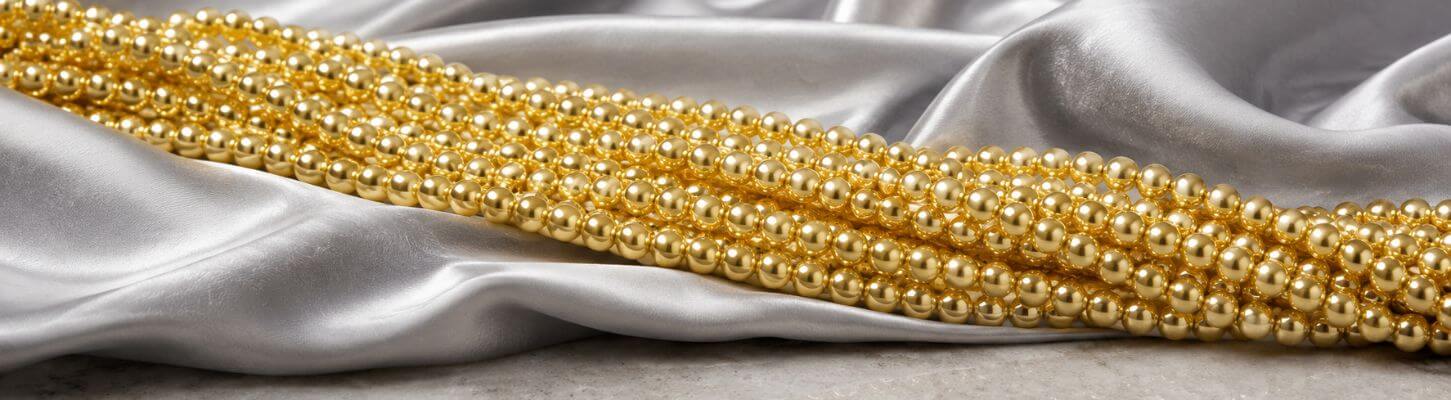
If you have noticed your favorite chain looking dull or your statement earrings losing their warm glow, you are not alone, and the good news is that learning how to clean gold-plated jewelry at home takes only a few minutes and a handful of items you probably already have in your kitchen.
At Atlanta Findings Company, we provide premium findings, beads, clasps, and chains for jewelry designers, hobbyists, and wholesale buyers nationwide, giving us insight into what gold plating can handle. This guide walks you through the safest cleaning method, the mistakes to avoid, and the small habits that keep your pieces looking new for years.
Explore Our Categories



Table of contents
What Is Gold-Plated Jewelry?
Gold-plated jewelry is made by applying a delicate layer of real gold onto a base metal such as sterling silver, brass, or copper. The result looks like solid gold at a fraction of the cost, which is why it remains one of the most popular categories in modern jewelry. Because the gold layer is thin, however, it needs gentler care than solid gold or gold-filled pieces.
Knowing the type of gold layer you have is key before starting any cleaning.
Gold-plated: a delicate layer of gold (0.5 to 2.5 microns) covering a base metal.
Gold vermeil features a more substantial gold layer (at least 2.5 microns) set over sterling silver.
Gold-filled: a much thicker, mechanically bonded layer, far more durable
Identifying your jewelry type ensures the cleaning method is safe and effective.
Why Gold Plated Jewelry Tarnishes and Dulls
Three things age your pieces faster than anything else:
-
Skin oils, lotions, perfume, and sweat that build up and dull the surface
-
Chemicals from chlorine, hairspray, cleaning agents, and even some antibacterial soaps
-
Friction and storage damage that scratches or chips the gold layer
Tarnishing usually affects the base metal beneath the gold, not the gold itself. It is the base metal underneath beginning to show through worn spots or residue clinging to the surface. That is why gentle cleaning, not aggressive scrubbing, is always the right call.
What You Will Need
Gather these supplies before you start:
-
Prepare a small bowl of lukewarm water for cleaning.
-
2 to 3 drops of mild dish soap (skip antibacterial or degreasing formulas)
-
Use a soft-bristled toothbrush or a baby toothbrush for gentle scrubbing.
-
A lint-free microfiber cloth
-
Cotton swabs for crevices
-
Have a second bowl of lukewarm water ready for rinsing.
That is it. No commercial polishes, no abrasives, no tricks.
How to Clean Gold Plated Jewelry: Step-by-Step
Follow these five steps for cleaning gold-plated jewelry the safe way.
Step 1: Mix the cleaning solution. Add a few drops of gentle dish soap to warm water and stir lightly to create a cleaning solution. Avoid hot water, which can loosen adhesives and weaken the plating bond over time.
Step 2: Soak the piece briefly. Submerge your jewelry for 5 to 10 minutes to loosen dirt. This loosens oils and surface grime without stressing the plating. If the piece has glued-in stones, pearls, or opals, skip the soak and use only a damp cloth instead.
Step 3: Brush gently. Use the soft toothbrush in light, short strokes to clean detailed areas. Cotton swabs work well for tight crevices around clasps, prongs, and chain links. Never scrub hard; the gold layer is microscopic.
Step 4: Rinse with clean water. Rinse the piece thoroughly in the second bowl to remove soap residue. Leftover soap leaves a film that dulls shine.
Step 5: Pat dry and buff. Lay the piece on a soft microfiber cloth and pat dry, then gently buff the surface to restore luster. Ensure jewelry is fully dry before storing to prevent tarnish from moisture.
This gentle method aligns with the jewelry care tips published by the Gemological Institute of America (GIA), the global nonprofit authority on gemstones and fine jewelry, which recommends warm water and mild dish soap for most precious metal pieces while cautioning against chemicals and ultrasonic cleaners.
How to Clean Different Types of Gold-Plated Pieces
Different pieces need slightly different handling.
Chains and necklaces: Lay flat in the bowl so the links do not tangle. Brush in one direction along the chain. Rinse by lifting straight up rather than swirling.
Rings: Pay extra attention to the underside of the band where soap and lotion collect. A cotton swab works well around any stones.
Earrings: Hold the post or hoop and clean the front and back separately. Avoid soaking earring posts with glued backings.
Gold-plated jewelry with gemstones: Stones like diamonds, sapphires, and rubies tolerate the bath well. Pearls, turquoise, opal, and emeralds should never be soaked. Use a damp cloth on those.
14k or 18k gold-plated jewelry: The karat refers to the purity of the gold layer, not the thickness, so the same cleaning method applies. Higher-karat plating tends to be softer, so brush even more gently.
Methods to Avoid Gold-Plated Jewelry
Many online guides recommend unsafe methods—avoid these completely:
-
Baking soda: It is abrasive and will scratch the gold layer. Ignore tutorials that suggest cleaning gold-plated jewelry with baking soda.
-
Vinegar: Its acidity strips plating. Cleaning gold-plated jewelry with vinegar shortens its lifespan.
-
Toothpaste: Even "non-abrasive" formulas contain micro-grit.
-
Ammonia or bleach: These chemicals dissolve plating quickly.
-
Ultrasonic cleaners: vibrations can damage the gold layer and bonding.
-
Jewelry polishing cloths designed for solid gold: Many have mild abrasives that wear plating thin.
-
Hot water: Can loosen adhesives and warp delicate components.
If a method promises to "restore" tarnished gold-plated jewelry in minutes, it is almost certainly removing some of the gold.
Steps to Remove Tarnish from Gold-Plated Jewelry
For pieces that look darkened or have a hazy film:
-
Repeat the gentle soak-and-brush process above
-
Dry completely
-
Buff with a microfiber cloth in small circles
Persistent tarnish may indicate that the underlying metal is starting to show through the worn gold layer. At that point, the piece needs professional replating rather than cleaning, and a local jeweler can typically replate a ring or pendant affordably.
Polishing Tips After Cleaning Gold-Plated Jewelry
To bring back that fresh-from-the-store shine, fold a clean microfiber cloth into quarters and buff the dry piece using light pressure. Skip rotating polishing tools and rouge cloths, both can thin the plating.
A Tip From the Atlanta Findings Workbench
Here is something most cleaning guides miss. The clasp is usually the dirtiest part of any necklace or bracelet, because it touches your skin every time you put the piece on and take it off. Many people brush only the visible pendant or chain links. Spend an extra minute on the clasp, and you will see a noticeable difference in how new the piece looks overall. If a clasp is past saving, swapping it out is one of the easiest fixes a maker can do. Browse our hook clasps, box clasps, or toggle clasps collections to find a fresh replacement in the right size and finish.
Daily Habits That Keep Gold-Plated Jewelry Looking New
Cleaning is only half the battle. These habits do the heavy lifting:
-
Wear jewelry after applying lotion, perfume, sunscreen, and makeup.
-
End the day by wiping pieces gently with a microfiber cloth.
-
Always take off jewelry before bathing, swimming, or going to bed to prevent wear.
-
Store each piece separately in individual soft pouches or a lined jewelry box to protect it from scratches and tangling.
-
Keep an anti-tarnish strip inside your jewelry storage.
-
Avoid stacking gold-plated pieces against silver, since silver oxidation can transfer
Taking 30 seconds to wipe down a chain after wearing it can double its visible lifespan.
How Long Does Gold-Plated Jewelry Last?
With consistent care, quality gold-plated jewelry lasts anywhere from 1 to 5 years before it needs replating. Pieces with thicker plating (1.5 microns or more), worn occasionally rather than daily, and cared for using the method above can last well beyond that.
When Professional Help is Needed
See a jeweler if:
-
The base metal shows through worn plating.
-
A stone has loosened in its setting.
-
The clasp is broken or sprung.
-
If you want your piece to look like new again, consider a full replating service to restore its original color and shine.
Most jewelers offer replating for chains, rings, and pendants at reasonable prices, often less than buying a new piece. If you are a maker repairing your own designs, browse our headpins, charms, and connectors for matching replacement components.
Keep Your Pieces Lasting Longer
Knowing how to clean gold-plated jewelry the right way is the single biggest factor in how long your pieces stay beautiful. Gentle soap, lukewarm water, a soft brush, and good storage habits will outperform any "miracle" cleaning hack online. If you are building or restoring your own designs, explore our full jewelry findings and supplies collection or check out the latest new arrivals at Atlanta Findings Company for quality components in gold-plated, vermeil, sterling silver, and brass finishes.
Need more help with cleaning or caring for your gold-plated jewelry? Contact our expert support team at info@atlantabeadcompany.com or call +1 888-234-1234. Check our blog for more helpful insights.
Common Questions About Gold-Plated Jewelry
Can I Safely Clean Gold-plated Jewelry at Home?
Yes. Warm water and mild dish soap with a soft brush are the safest methods for cleaning gold-plated jewelry at home.
How Do I Clean Tarnished Gold-Plated Jewelry Effectively?
Clean tarnished gold-plated jewelry by soaking it in mild soapy water, brushing lightly with a soft toothbrush, rinsing, drying, and finishing with a gentle microfiber cloth polish.
What is the Optimal Method to Clean Gold-plated Jewelry?
A gentle soap-and-water bath followed by a microfiber cloth buff is recommended; avoid chemical cleaners.
Is It Safe for Gold-plated Jewelry to Get Wet?
Brief contact is acceptable, but prolonged exposure (like swimming or showering) shortens plating life.
How Frequently Should I Clean My Gold-plated Pieces?
Wipe daily-worn pieces with a microfiber cloth every evening, and do a full soap-and-water clean every 2 to 4 weeks.
Does Gold-plated Jewelry Tarnish Permanently?
No. Surface tarnish cleans off easily. What looks permanent is usually plating wear, which requires replating.
Can I Use a Jewelry Cleaner on Gold-plated Pieces?
Most commercial jewelry cleaners are too harsh. Stick to mild dish soap unless the cleaner is specifically labeled safe for plated jewelry.


